
Interior Styling vs Interior Design: What Canberra Homeowners Need to Know

Table of Contents:
Knowing the difference between interior styling and interior design saves time, money, and stress. Especially when planning a home makeover or renovation in Canberra. Though the two roles overlap, each has unique skills and qualifications. Their outcomes matter more than you might think.
This guide explains the distinctions, local market context, and how to choose the right professional for your project.
Interior Design: Shaping the Space from the Ground Up

Interior design creates spaces that function as beautifully as they look. Canberra interior designers are trained to work on projects from the earliest stages. Whether you're building new, renovating or reconfiguring an existing layout that no longer suits how you live.
Key responsibilities include:
Space planning and layout design to improve flow and functionality.
Proposing structural changes, like moving walls or reconfiguring built in elements. Designers make the plan. Qualified builders and, if needed, structural engineers manage approval and construction.
Selecting materials, finishes, lighting, and fixtures that work together cohesively.
Coordinating with architects, builders, and tradespeople.
Ensuring compliance with Australian building codes and regulations.
In Canberra, most interior designers hold a bachelor's degree or diploma in interior design or architecture. Many are accredited by the Design Institute of Australia (DIA). This ensures they meet industry standards and have the skills for complex projects.
Example:
Renovating a heritage home in Kingston? An interior designer helps create detailed plans and coordinates with builders to bring them to life. The result is a kitchen that works well, meets regulations, and looks great without bothering heritage officers.
Interior Styling: Bringing the Visual Magic
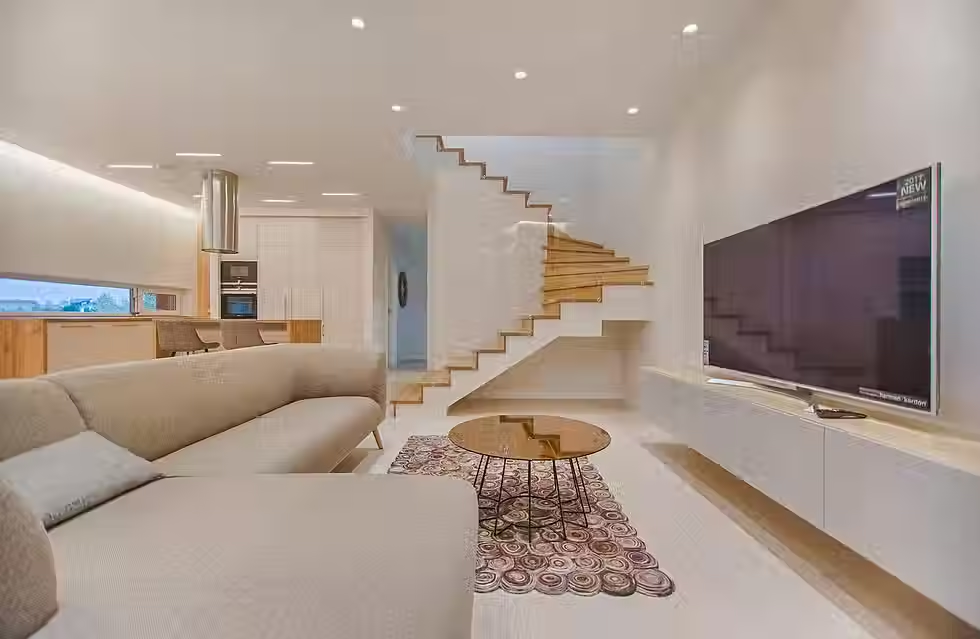
Interior styling adds character and mood to spaces. Stylists take what’s already there. They rearrange or add furniture, art, textiles, and accessories. This helps create the look you desire.
Key responsibilities include:
Developing mood boards and style concepts.
Selecting and sourcing furniture and décor that work together.
Colour consultation and surface styling.
Home staging for property sales.
Seasonal or event-based styling.
In Canberra, many stylists hold certificates or diplomas in interior decoration. However, formal qualifications aren’t required. Reputation grows with solid portfolios and results. This is especially true in the property styling market. Staged homes tend to sell faster and at higher prices.
Example:
If your Gungahlin apartment looks good but feels flat, a stylist can help. They can add new soft furnishings, choose artwork, and bring in some greenery. All without touching the structure.
Canberra Market Insights
The ACT has a vibrant design scene featuring award winning studios and accomplished property stylists.
Local trends and challenges include:
Functional design focus: Canberra's climate swings between extremes. Designers prioritise insulation, storage and layout flow alongside aesthetic choices.
Competitive property market: Professional styling is increasingly essential for sales campaigns. First impressions carry real weight.
Integrated services: Many firms in Canberra offer both design and styling. This gives clients a smoother experience without the hassle of coordinating different professionals.
Comparing Interior Design and Interior Styling Costs and Timelines in Canberra
Before you decide between an interior designer and a stylist, it helps to know what you're looking at in terms of cost and timeline. Here's a breakdown for Canberra.
Interior Design:
Full home design: may charge 10% to 15% of project cost or $100 to $250 per hour.
Timeline: Weeks to months, depending on complexity and scope changes.
Interior Styling:
One room makeover: for a few hundred dollars.
Full property staging: $2,500 to $5,000+ for 4 to 6 weeks, including furniture hire.
Timeline: Often completed in days to weeks.
Which One Do You Need?

So how do you know which one to go with? It really comes down to what you're trying to achieve. Here are a few questions to help you figure it out.
Do I need to change the layout or structure? → Hire an interior designer. They can propose structural changes and coordinate with builders to make them happen.
Do I just want to refresh the look and feel? → Hire an interior stylist. They'll transform your space without any demolition.
Do I want both? → Engage a designer for the build phase, then a stylist for the finishing touches.
In many Canberra projects, these roles complement each other well. A designer might plan and oversee a new home's build with detailed drawings and compliance checks. A stylist can later layer in soft furnishings to create a polished, welcoming finish.
Local Tips for Choosing the Right Professional
Check qualifications and memberships: Look for DIA accreditation for designers.
Review portfolios: Ensure their style aligns with your vision. If your tastes differ significantly, it is worth discussing early.
Ask about scope: Confirm whether they handle sourcing, project management, or both. Some professionals offer end-to-end services, others focus on specific stages.
Consider your budget and timeline: be clear about expectations upfront. Clarity from the start keeps projects on track.
Final Word
Knowing the difference between interior styling and interior design helps you choose the right expert for your needs. Both roles transform spaces:
One understands the structure and function that makes daily life work better.
The other is through personality and style that make your home feel like yours.
The key is knowing which professional fits your project. Need structural changes proposed and compliance sorted? That's interior design territory. Want your existing space to feel more cohesive and inviting? Interior styling is your answer.


Comments